
Psalm 139:5: “Thou hast beset me behind and before, and laid thine hand upon me.” I suppose you could translate this verse a number of ways. What I find interesting in this verse is the word for beset which is tsartani from the root word tsur. In its Semitic origin it is a military word
II Corinthians 12:9: “And he said unto me, My grace is sufficient for thee: for my strength is made perfect in weakness. Most gladly therefore will I rather glory in my infirmities, that the power of Christ may rest upon me.” It is believed that the Apostle Paul wrote four letters to the
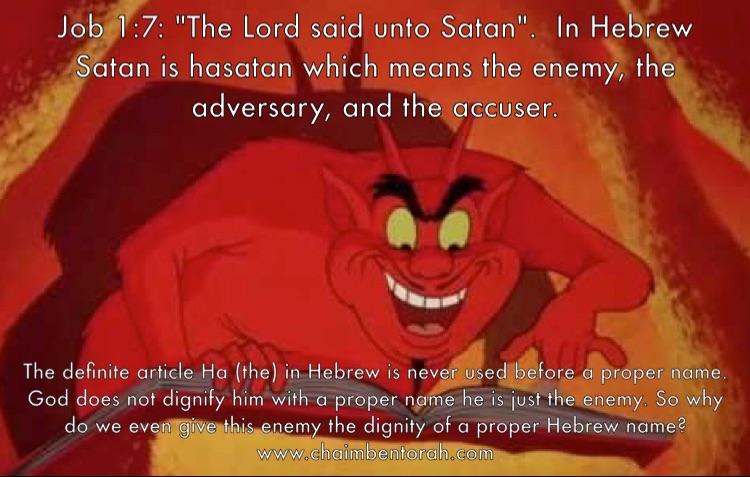
צ Job 1:7: “And the LORD said unto Satan, Whence comest thou? Then Satan answered the LORD, and said, From going to and fro in the earth, and from walking up and down in it.” First let me establish one thought here. I never give the enemy the dignity of a proper name. I am

Luke 2:8 “And there were shepherds in the same country abiding in the field, and keeping watch by night over their flock.” We hear this Christmas story so much around this time of year that we never really stop to think about it or wonder about some obvious questions. Having Asperger’s Syndrome I tend to

Zephaniah 3:17: “The Lord your God in the midst of you is mighty. He will save, He will rejoice over you with joy. He will rest in his love, He will joy over you with singing. If you read my book Hebrew Word Study A Hebrew Teacher’s Call to Silence you may recall where I

Proverbs 18:15: “The heart of the prudent getteth knowledge; and the ear of the wise seeketh knowledge.” Webster defines our English word knowledge as an acquaintance with facts, truths, or principles as from study or investigation and general education. Hence when we read this verse the first thing that comes to our mind
Philippians 4:11: “Not that I speak in respect of want: for I have learned, in whatsoever state I am, [therewith] to be content.” So Paul learned to be content in whatever state he was in. If he knew what taxes are like in Illinois I bet he would not include that State. Of

Numbers 30:2: “If a man vow a vow unto the LORD, or swear an oath to bind his soul with a bond; he shall not break his word, he shall do according to all that proceedeth out of his mouth.” There is really no word in the Classical Hebrew (Biblical Hebrew) for a
Matthew 6:7: “But when ye pray, use not vain repetitions, as the heathen [do]: for they think that they shall be heard for their much speaking.” I recall an old story about two little farm boys, an older brother and a younger brother who were contemplating the nasty temperament of their goat. Finally the