27:14:“Wait on the LORD: be of good courage, and he shall strengthen thine heart: wait, I say, on the LORD The Azusa Street Revival of the early 20th Century ushered in many practices that are still around today. One practice that has pretty well died out is called the tarrying services and was
Psalms 27:13 “If I had not believed to see the goodness of the LORD in the land of the living.” Different translations translate this in various ways such as: “I am confident to see the Lord’s goodness” or “I would have despaired had I not seen the Lord’s goodness,” “I believe I shall look

Psalms 61:7: “He shall abide before God for ever: O prepare mercy and truth, [which] may preserve him.” Commentators are all over the place on this verse. Some say it is a reference to the Messiah, hence they render the word abide or yashav in Hebrew as to be enthroned. This is a
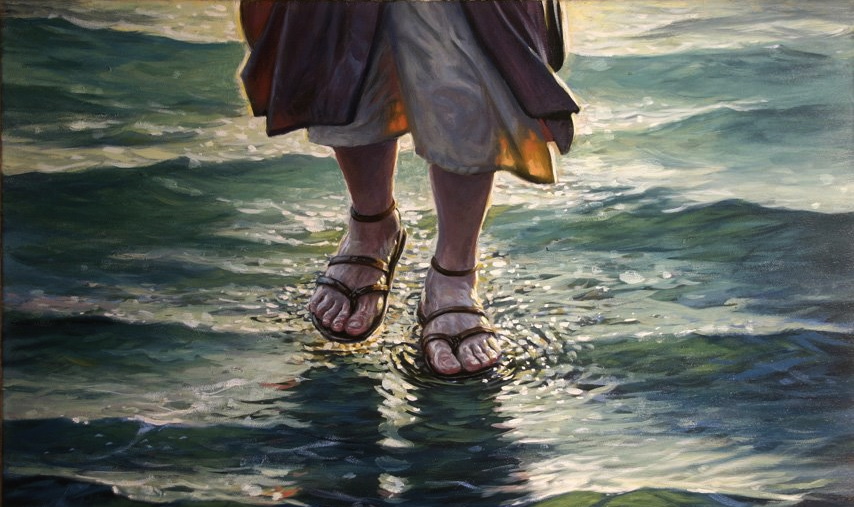
Psalms 93:4: “The Lord on high is mightier than the noise of many waters, yea than the mighty waves of the sea.” The literal meaning of this verse is clear. The sea was a place of terror to the landlocked Jewish people. Fishermen were the fearless iron workers of their day and even
Ps 27:11 Teach me thy way, O LORD, and lead me in a plain path, because of mine enemies. Now we really get down to meat of this verse. We learn why the Psalmist is asking for God to teach him His way and lead him in His path, it is because of his

Psalms 27:11: “Teach me thy way, O LORD, and lead me in a plain path, because of mine enemies.” My prayer for the New Year of 2016: Oh Lord: I am trying to pick up the pieces On a chapter of my life that has closed I know Oh Lord you
Psalms 65:2: “O thou that hearest prayer, unto thee shall all flesh come.” The use of the word shama (hear) has a number of possible English equivalents. You really need to consider the context before deciding what English word to plug in. For instance the word shama rendered in Psalms 65:2 as hear in

Psalms 27:11: “Teach me thy way, O LORD, and lead me in a plain path, because of mine enemies.” So the Psalmist is asking God to teach him His way. We know he is asking God because he says: “O Lord or YHWH.” We could probably render this as: “Teach me Jehovah’s

Psalms 29:11: The Lord will give strength to His people,’’ So Psalms 28:7 tells us that the Lord is our strength and then in Psalms 29:1 we are told that the mighty men are to give the Lord strength and now we learn that the Lord will give us strength. So it seems
I Kings 17:18: “And she said unto Elijah, What have I to do with thee, O thou man of God? Art thou come unto me to call my sin to remembrance, and to slay my son?” There is a question that always comes to mind when I read this passage: “Why did the