
by admin
Share
by admin
Share
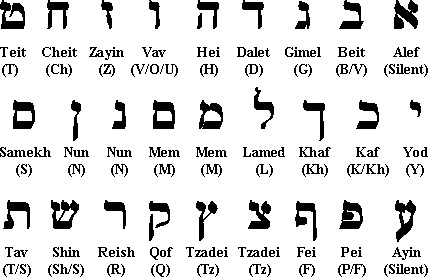
Hebrew Word Study – Distance Oneself – Sane’ שְׂנֵאֽ Sine Nun Aleph
Psalms 25:19: “Consider mine enemies; for they are many; and they hate me with cruel hatred.”
I am now sure how many of us can relate to this Psalm when reading it at its face value. I mean I really don’t know if I have any enemies that hate me with a cruel hate. I daresay that many of you reading this also cannot point to an enemy that hates you with cruel hate.
If the Psalmist is indeed David then as a king he would have had enemies that hated him with a cruel hate. You cannot assume a leadership role, particularly as the leader of a nation without someone being offended by your decisions and even jealous of your position such that they grow to hate you. That just comes with the territory.
Hatred comes when someone offends you or does not do what you want them to do. But what is hatred really? Our English word carries various degrees of hatred. However, the Hebrew word used for hatred is sane’ which your lexicon tells you means hate. Rabbi Samson Hirsch, however, a nineteenth-century linguist and Hebrew scholar points out sane’ also means to reject or distance yourself. He also shows that it can mean to weaken. If someone rejects you or distances themselves from you they will weaken you in the sense you no longer have their support. The more support you have the stronger you are. If you are in the hospital and no one visits you it is much harder to recover than if you have a string of visitors encouraging you and supporting you. The word sane’ which we translate as hate could then be applied to you if you show no support for a friend or relative when they are in need. In the Biblical sense, you are showing hatred to that person who needs you and your support. By sane’ withdrawing and rejecting someone you have a responsibility to is hating that person and you are weakening that person.
Would you like Chaim Bentorah as your personal Hebrew teacher?
|
|
You may not consider yourself an enemy of that person but then again let’s look at the word for enemy. It is the word oyev. It sounds a little like the Yiddish word Oy vey which means oh woe and has a Germanic origin rather than Semitic. However, there are Orthodox Rabbis who will argue that Ov vey is not of a Germanic origin but a Hebrew origin for oy which is woe, and vey which is the Aramaic word for woe. Regardless, the word for the enemy does carry the idea of woe or dismay. An oyev enemy is someone who brings you misery or woe.
So, for example, if you have a friend or relative in the hospital and you stay away and do not visit that person you are bringing woe and dismay to that person and you fit the Biblical definition of an enemy oyev. By doing this you are distancing yourself or rejecting that person which is sane’ the Biblical definition of hatred. That person can lay in his hospital bed and believe that you are his enemy who hates him with cruel hate.
But let’s make this more personal. Maybe you feel you cannot relate to this verse because you do not feel you have enemies who hate you with cruel hate. Note the word cruel is chamas which is a damaging sane’ rejection and distancing. You may have people who bring you sadness and woe because they distance themselves from you. If so they are the Biblical equivalent of a sane’ enemy who damages you with a damaging rejection that just weakens you spiritually. They may be the last to admit that they are your enemy and hate you with a cruel hate but by the specific Hebrew words used here, they really do.
Having said this I think we all can now be related to this study verse on some level. We have all had people who brought us woe (enemy, oyev) and distanced themselves from us when we really needed them (hate, sane’) and it really did damage (chamas cruel) us. So what do we ask God to do? The Psalmist is not asking God to destroy them, let them know how cruel they are and punish them. He only asks that God consider them
The word consider is a word already used in this Psalm which was rendered as look. It is the word ra’ah which means to see with physical and/or spiritual eyes. The Psalmist is indicating where he wants God to direct His attention and that is to those who are bringing him sorrow by their rejection which is damaging his peace of mind.
If you are a pastor you may relate very well to this. There are people in your church who will just criticize you for everything you do. You cannot sneeze without that person talking about it, discussing the reasons behind it, the style and probably saying he could do it better. Of course, they will never admit to being your enemy and hating you with a cruel hate, but such people will weaken you. What is your cry to God? To destroy them, humiliate them? The Psalmist only wanted God to focus on what they were doing to him and how they were weakening him.
From the previous verses, we learn that the Psalmist knows what it is that will deliver him from those who are weakening him with their criticism. That is the panah, the presence of God. The presence of God in our lives does solve a lot of problems.
Hi there! Thank you for reading this Daily Word Study. Can I ask a favor? Share this Daily Word Study with your friends on Facebook and Twitter by clicking one of the icons below.
Thanks & Blessings, it means a lot to me!
STAY IN THE LOOP
Subscribe to our free newsletter.
Leave A Comment
-
Hebrew Word Study – A Passion – B’ir – Beth Ayin Yod Resh Song of Solomon 3:3, “The watchmen that go about the city found me: Saw ye him who my soul loveth?” “Ich bin ein Berliner” John F. Kennedy, June 26. 1963. Translation, “I am a jelly filled donut.” There is an urban legend

HEBREW WORD STUDY – (HEARING GOD’S) VOICE – QAVAL קול Exodus 19:5: Now therefore if you will obey my voice indeed and keep my commandments, Then you will be a peculiar treasure unto me above all the people, for all the earth is mine.” What caught my attention in this verse is the thought that
-
Hebrew Word Study – A Sensitive Nature – Pathah – Pei Taw Hei פתה Psalms 116:6: “The Lord preserves the simple, I was brought low and He helped me.” Hebrew Word Study – A Sensitive Nature – Pathah – Pei Taw Hei Psalms 116:6: “The Lord preserves the simple, I was brought low and He
WORD STUDY – ABBA אבא Mark 14:35-36: “And he went forward a little, and fell on the ground, and prayed that, if it were possible, the hour might pass from him. And he said, Abba, Father, all things are possible unto thee; take away this cup from me: nevertheless not what I will, but what